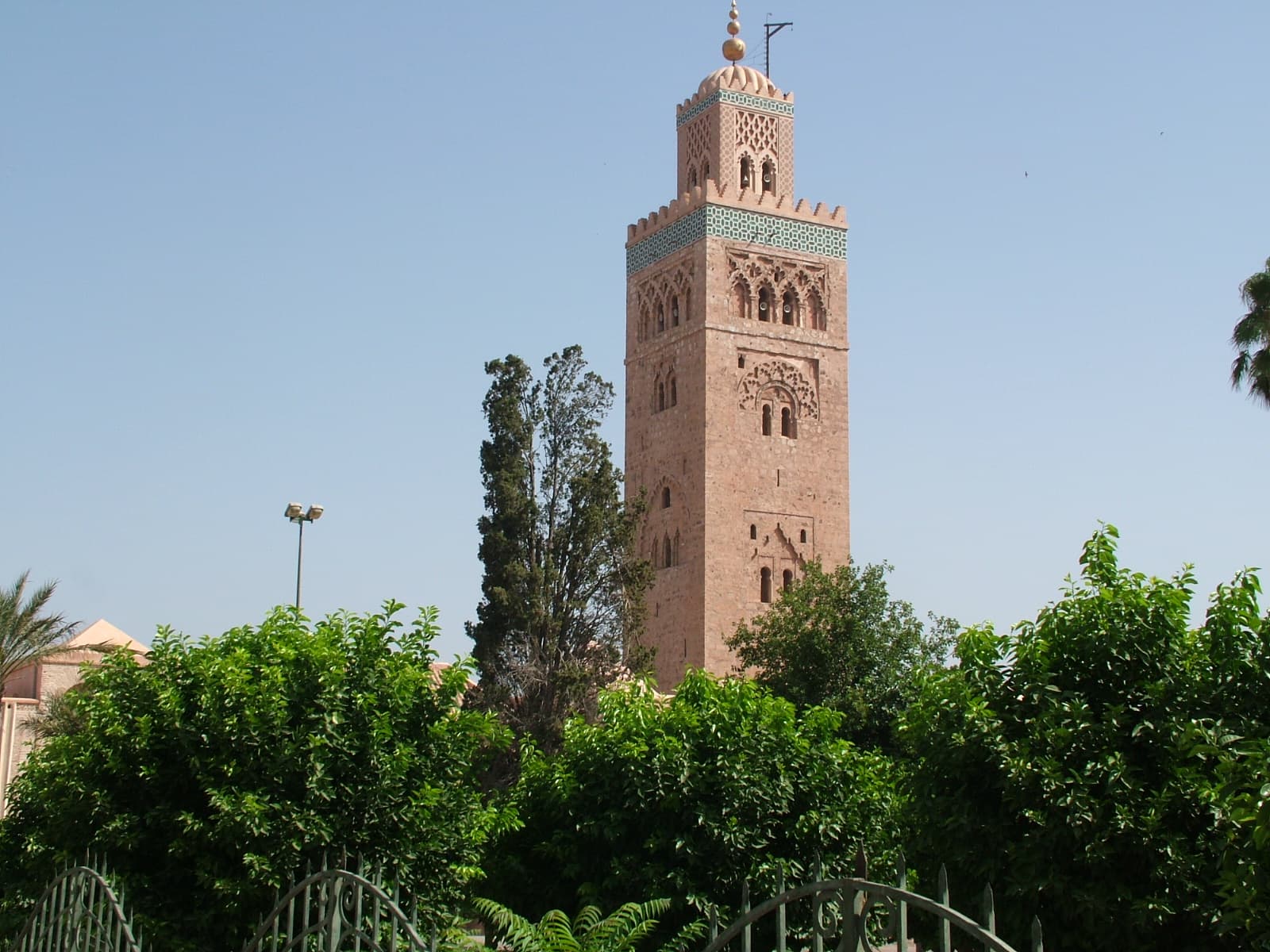
Best Time to Visit the Sahara Desert: Merzouga, Erg Chebbi & Weather Insights
An essential seasonal guide to desert temperatures, packing recommendations, sandstorm seasons, and how to experience magical cool starry nights without summer extremes.
Dr. Fatima Zahra
Saharan Geographer & Cultural Advisor
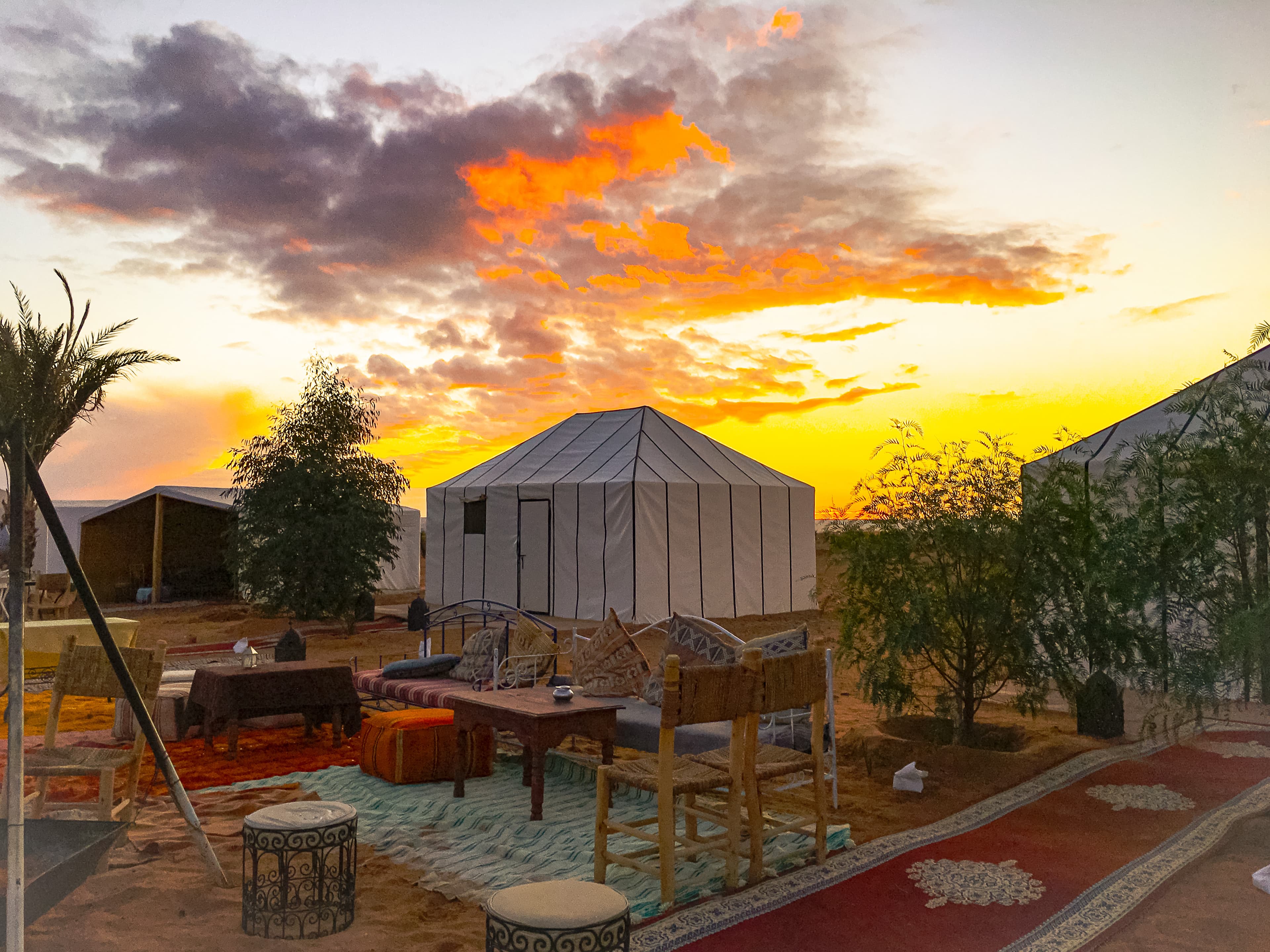
Executive Key Takeaways
- The prime months for the Sahara Desert are October through April, when daytime temperatures hover between 20°C and 28°C.
- Summer months (July–August) frequently exceed 45°C (113°F) and are not recommended for extended dune expeditions.
- Desert nights in December and January drop to 3°C–8°C, requiring insulated layers even when luxury tents feature heating.
- Late February through April offers wild desert flora blooming along seasonal dry wadi riverbeds.
Season-by-Season Breakdown of the Moroccan Sahara
The Sahara Desert experiences a classic hyper-arid continental climate characterized by profound diurnal temperature swings. Understanding the nuances between spring, autumn, and winter is the single most crucial factor in ensuring an ultra-luxurious, comfortable expedition.
Autumn (October to November) is widely considered the golden window: pleasant midday temperatures around 25°C, calm breezes, crystal-clear atmospheric transparency for photography, and delightfully refreshing evening air.
Optimal Booking Window
October, November, and March represent peak demand for private 5-star desert pavilions. We advise booking at least 6 to 8 weeks in advance.
Winter (December to February): Crisp Skies & Stellar Clarity
Winter in the dunes provides the clearest celestial visibility of the year. With minimal humidity and zero haze, the winter constellations, planetary alignments, and meteor showers shine with incandescent intensity.
Daytime temperatures in winter are delightfully comfortable for camel treks and sandboarding (around 18°C–22°C). However, temperatures plunge sharply once the sun sinks beneath the horizon, necessitating warm cashmere wraps and fleece jackets around the campfire.
Essential Packing List for Desert Luxury
Packing for the Moroccan Sahara requires thoughtful layering rather than heavy single garments. The contrast between bright desert sunshine and crisp nighttime breezes demands versatility.
- High-SPF mineral sunscreen and UV-polarized sunglasses to protect against reflective dune glare.
- Natural breathable linen or cotton long-sleeve shirts for daytime UV protection.
- A high-quality lightweight down jacket or Merino wool sweater for campfire evenings.
- A traditional cotton chèche (Berber turban scarf) purchased locally to shield against fine blowing sand.
3-Day Merzouga Desert Tour from Marrakech
Cross the High Atlas, sleep in Dades, ride into Erg Chebbi dunes and return through the Draa Valley.